Recent Post

KONLIDA OEM/ODM: Your Wound Management Products, We Bring Them to Life

Evolution of Medical Device OEM
Suture Strips Innovation Trends for Medical Buyers

Hydrocolloid dressings is special kind of bandages that help with wound healing. They made from stuff that soaks up water and makes a wet spot for the skin. This let the skin get better quicker and block out bad germs. There are various thicknesses of these dressings, and each one good for certain wounds or skin problems. Picking the correct thickness can really change how good a wound gets healed. At Konlida Med, we know how important it is to choose the right dressing for the work, because it can lead to faster recovery and more comfort for patients.
Where to Find Good Hydrocolloid Dressings for Different Uses
Finding the proper hydrocolloid dressing matter a lot. You can buy them at drugstores, hospitals, or medical supply shops. Lots of online places sell hydrocolloid dressings too. When shopping online, always look at reviews and scores. Folks usually share what they went through, which help you pick the best one. At Konlida Med, we have a range of hydrocolloid dressings in various sizes and thicknesses. So you can select what fit your needs best. For instance, for a little cut, a slimmer dressing might work fine. But for bigger wounds, a heavier one could give better shield.
Sometimes you need a certain type of hydrocolloid for spots like heel or elbow. These areas tricky since they move around a lot. Search for dressings made for those places, as they tend to stick stronger and feel comfy. Another choice is asking a doctor for tips. They can suggest the right product depending on your wound kind. In addition, some folks might look at waterproof dressings, specially if they wash hands often or stay active.
When you get the right hydrocolloid dressing, read the box for directions. Some are meant to wear for days, while others need changing more often. Follow those to make sure the dressing do its job and help the wound heal right.
How to Pick the Right Thickness of Hydrocolloid Dressing for Best Results
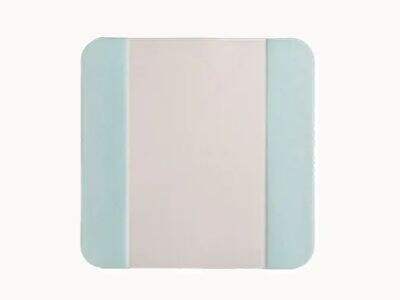
Picking the correct thickness for hydrocolloid dressing is key to good healing. Thicker ones often better for deep wounds or ones with lots of liquid. Like, if there’s a blister or big scratch, a thicker dressing can take in more wet and guard the spot. On the other side, slimmer dressings suit small cuts or scrapes. They protect without getting too clunky.
Another factor is where on the body the dressing go. For sensitive areas like the face, a thinner, bendy dressing might be better. This keep it comfy and let movement happen easy. In places with much rubbing, like feet or hands, a thicker dressing can stop it from coming off.
At Konlida Med, we produce different thicknesses of hydrocolloid dressings so you find what suits you. Knowing what your wound needs is big. If a dressing feel odd or not stick good, it probably not the one. Always try it out and see. And if worried, talk to a doctor or nurse for guidance.
Remember, the aim is making a wet space for healing while stopping germs. Whether thick or thin dressing, the right pick can help your getting better and make things simpler.
Taking Care of Surgical Wounds with Hydrocolloid Dressings
When it come to caring for surgical wounds, selecting the right dressing is super important. At Konlida Med, we see how this affect healing a lot. Surgical wounds are cuts from surgery, and they require extra care to heal well. Using the proper thickness of hydrocolloid dressing can change things big time. Thicker dressings give more shield for these wounds. They keep the wound wet and block germs. That’s why germs cause infections that slow healing down. A thicker hydrocolloid dressing also soaks up more fluid from the wound, which keep it cleaner. But make sure it fit good and not peel easy. A tight seal on edges protect even better. For smaller or milder cuts, thinner dressings can be enough. They more comfy and less visible. Balancing the thickness right is essential. At Konlida Med, we suggest chatting with a health pro to pick the best thickness for each surgical wound. This help patients heal quicker.
Benefits of Thicker Hydrocolloid Dressings for Some Wounds
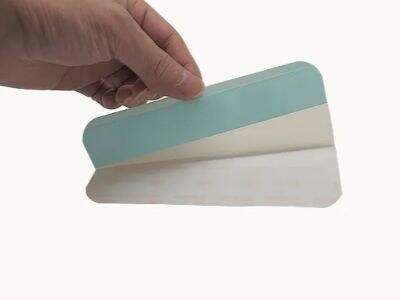
Choosing thicker hydrocolloid dressings have lots of pluses for certain wounds. One big advantage is they hold more moisture. Moisture help healing because it let new skin grow. Thicker dressings make a warm wet area that’s ideal for getting better. They also guard the wound from outside stuff, like dirt and bugs. This extra safety good for wounds at risk of infection. Another good thing is thicker dressings cushion the wound. This useful for spots that get hit or rubbed by clothes. The padding can cut down pain and unease. Plus, thicker hydrocolloid dressings stay on longer than thin ones. So fewer changes and less daily work, which nice for busy people. At Konlida Med, we think knowing each wound’s needs help patients choose right thickness. That way, they get faster healing and less stress.
Using Hydrocolloid Dressings in Everyday Life
When using hydrocolloid dressings daily, the thickness affect comfort and sticking to skin a lot. Thicker ones usually give a soft cushy feel, which many find nice. This specially key for those wearing it long. However, thicker dressings sometimes feel heavy or bulky, that might bother some. Thinner dressings lighter and more like extra skin. They less noticeable, good for folks wanting to do daily stuff without drag. For sticking, thicker hydrocolloid wound dressing tend to hold better. So they less likely peel, important for protection. But if too thick or sticky, it can irritate when taking off. Find one that stick well but still comfy is vital. At Konlida Med, we stress listening to your body. If it feel bad or irritate, try another thickness. In the end, the best dressing balance comfort, stickiness, and guard for what each person needs.
Request a Product Sample