Recent Post

Evolution of Medical Device OEM
Suture Strips Innovation Trends for Medical Buyers
Wholesale Micropore Tape for Hospitals and Clinics

When it comes to treating minor wounds think small cuts or scrapes deciding on the best course of healing can be tricky. Two popular techniques are suture strips or conventional sutures. Suture strips are adhesive dressings that help close a wound, while sutures refer to stitching the skin with surgical thread. Both are useful approaches, but they are different. We offer a guide to treating mild trauma at Konlida Med so you know how to take care of minor injuries and which treatment option might work best for you.
What Are Benefits Of Using Suture Strip Over Sutures For Minor Injuries?
Suture strips offer several advantages over sutures for the ordinary small cut or scrape. First, suture strips are just easier. There’s no special skill or training required to apply them. Instead, just clean the wound and remove the backing so that you can easily stick them on! This simplicity can be a huge relief to someone who might feel nervous about poking themselves with needles or taking up the ancient art of needlework. Plus, they are less painful. Because suture strips don’t involve poking a needle into the skin, they are less uncomfortable for most people.
The other good thing about suture strips is that there isn’t typically a lot of time involved. They are often far quicker to apply than placing sutures. This fast-soaking formula can be a real zinger-solver for harried parents tending to little ones with small injuries. Furthermore, suture strips permit a degree of motion. They are also flexible and can stretch with the skin, a quality that may help wounds heal more effectively. This indicates that you are able to still have the freedom of movement for your daily tasks.
Suture strips may also minimize scarring. They do the skin up softly, may result to a more smooth cure. Dr. Chideckel said that with sutures, “there’s a much higher likelihood of scarring because they bring the skin tightly together.” Suture strips are also often water proof, so you can wash your hands or take a shower worry free about the wound getting wet. That’s a huge win for those who want to keep the area clean as they heal.
Finally, suture strips are often less expensive than sutures. For small injuries, it can add up, especially if you have to manage cuts frequently. At Konlida Med, we know that maintaining your health shouldn’t cost an arm and a leg. So for any little cut or scrape, think about using suture strips as a fast, easy way to help it heal.
How to Correctly Use Suture Strips for a Proper Wound Closure?
Proper use of suture strips is important in promoting good healing of your wound. So let’s gather our supplies, suture strips, a sterile wound cleaner and clean hands or gloves. First off, ensure the area around the wound is clean. You may clean the skin with soap and water or apply a sterile wipe. Be sure to not rub it too hard since you don’t want to agitate the wound.
After the area is clean, pat it dry with a clean towel. Then, If the wound is still bleeding, apply a little pressure with a clean cloth until you see the blood stopped flowing. This is important, because you want to ensure the wound is secure before putting on the strips. Once the bleeding has ceased, it’s time to use the suture strips.
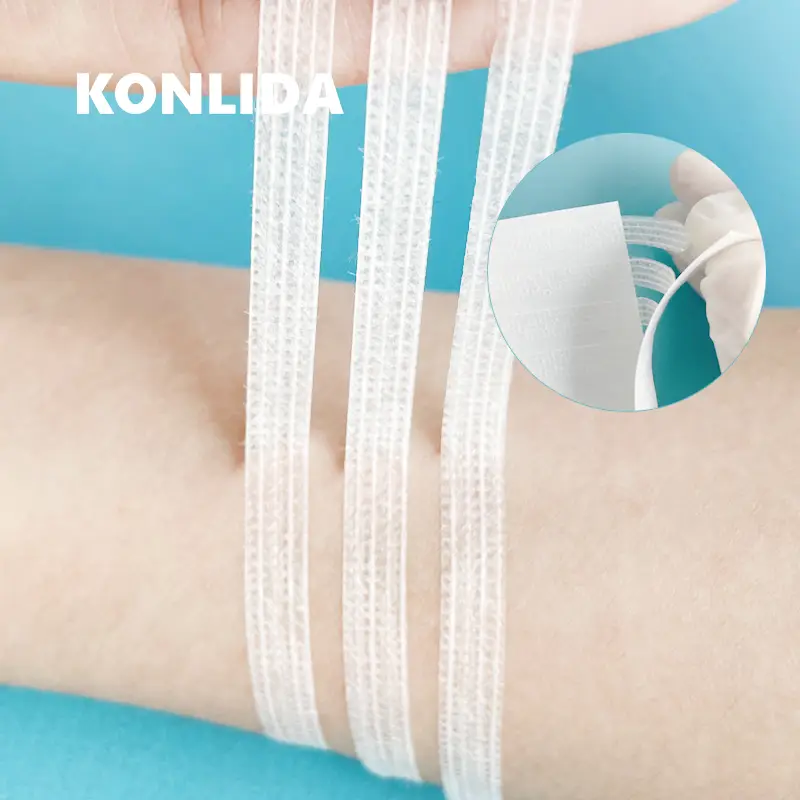
Use a suture strip and remove the backing. Place the strip at one end of the wound and apply firm pressure. Then, gently stretch the other end of the strip across the laceration and press it down. Center the strip over the wound and keep both ends in place. Be sure not to pull the strip too tight, which can cause pain or distress. Rather, you should be going for a snug fit that holds the wound together but doesn’t tighten onto your skin.
You might have to use several strips if the wound is long. Space them evenly across the length of the wound to give a proper closure. Once you apply the strips, also verify that they are sticking down well. If you see any gaps or if your strips are lifting, it’s time to add more or fix them.
Finally, maintain the area clean and dry. They might not work as well if the skin closure strips become wet or dirty. You can cover them with a clean bandage if you’re worried at all. At Konlida Med, we believe that when you understand how to care for your wounds you will heal quicker and feel better. How you use your suture strips can make a significant difference in how much ease or dis-comfort you experience on the healing process.
Sutures vs. Suture Strips: Understanding the Differences and Common Challenges
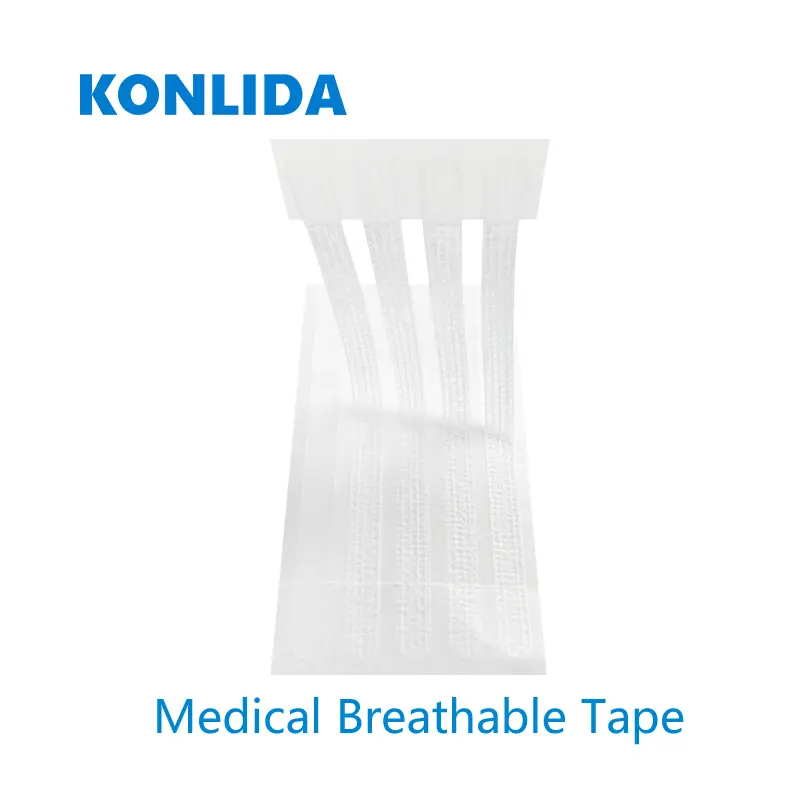
When it comes to caring for small cuts, you may be wondering whether sutures or suture strips are best. Both can aid the healing of cuts and scrapes, but they are used for different reasons and come with their own set of benefits. A common problem with sutures is that they can be slippery to work with. Sutures are stitches, typically made from a combination of thread and needle which is why you may require a doctor or nurse to apply them. This can be tough for people who are fearful of needles or simply do not want to visit a clinic. Occasionally, sutures can loosen or break as well and that can potentially result in an infection or a wound that doesn’t heal correctly. On the other hand: they are rather convenient to deploy, suture strips. It’s like stickers that hold the skin together without needing a needle. Some may not know that they should use them in a certain way, which can be harmful. For example, if the strips are not tight enough, the wound could fail to remain closed. If they are too close, the skin can bulge or worse still, tear. This is why it is very important to be taught the proper use of both sutures and suture strips. At Konlida Med, we think it’s important to have knowledge of these common issues of usage so that you may select the right method for your intended purpose.
Healing Time Comparison: Sutures Versus Suture Strips
When considering how long they heal, it’s worth contrasting sutures and suture strips. Sutures may take a little longer to heal since they are typically deeper in the skin. That means they might require more care, and they can scar if tackled improperly. It may also mean another trip to the clinic if the doctor has to remove the sutures after a few days. Suture strips are made for quicker healing, however. They are used externally on the skin to hold the edges of wound together. In the vast majority of small injuries treated with suture strips, healing is complete in a few days and there need be no return visit. This makes them great for people who want a simple and straightforward solution. But the actual amount of time it takes for a wound to heal can vary even within that range depending on the type of wound and how well you take care of it. Assuming you continue to try to keep the area clean and dry, both sutures and suture strips can promote wound healing. Here at Konlida Med, we suggest using suture strips for small cuts and scrapes to promote faster healing time while relieving some anxiety.
Best Practices for Using Suture Strips on Minor Wounds
If you’re using suture strips for small wounds, there are some best practices to help get the most out of them. First, make sure that the wound is clean. Wash your hands and carefully wash the cut with soap and water. This helps prevent infection. It’s time to let the skin dry and then apply the suture strips. They won’t adhere well if skin is wet. After the area is dry, gently apply the suture strips over the wound. They should close the skin edges, without distorting one side or being too loose. It’s advisable to fill the wound completely with strips. Avoid touching the area too much after you apply them. This helps to hold the closure strips in place and allow the wound to fully heal. You should consult a health care provider if you see any signs of infection, such as redness or inflammation. At Konlida Med, we want to highlight the value of all these steps in making suture/dressing strips that are safe and effective for minor wounds. If you take care of your cuts to minor injuries properly, they can heal quicker and with less discomfort.
Request a Product Sample