
 EN
EN
 AR
AR
 HR
HR
 DA
DA
 NL
NL
 FI
FI
 FR
FR
 DE
DE
 EL
EL
 HI
HI
 IT
IT
 JA
JA
 KO
KO
 NO
NO
 PL
PL
 PT
PT
 RO
RO
 RU
RU
 ES
ES
 SV
SV
 TL
TL
 IW
IW
 ID
ID
 SR
SR
 UK
UK
 VI
VI
 HU
HU
 TH
TH
 TR
TR
 FA
FA
 AF
AF
 MS
MS
 GA
GA
 UR
UR
 BN
BN
 LO
LO
 LA
LA
 NE
NE
 TA
TA
 MY
MY
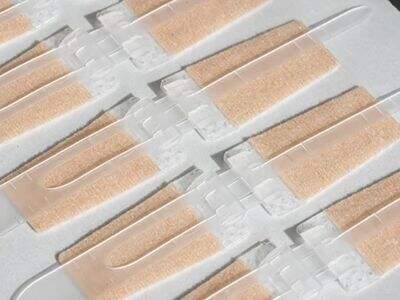
Quando se trata de fechar feridas ou cortes, duas opções populares são as tiras adesivas para sutura e a cola cutânea. Ambas possuem vantagens e desvantagens, cumprem finalidades semelhantes, mas funcionam de maneiras diferentes. As tiras adesivas para sutura são semelhantes a pequenos curativos adesivos que mantêm a pele unida, enquanto a cola cutânea é um adesivo especial que une as bordas da pele. Na Konlida Med, sabemos que escolher a opção adequada é fundamental tanto para profissionais de saúde quanto para os pacientes. Este artigo ajudará você a explorar o que precisa saber sobre esses dois produtos e como decidir qual deles é o mais indicado para suas necessidades.
O Que os Compradores Atacadistas Precisam Saber
Compradores por atacado que buscam produtos para fechamento de feridas devem considerar diversos fatores antes de efetuar uma compra. Em primeiro lugar, reflita sobre os tipos de feridas que você tratará. As tiras adesivas para sutura são excelentes para pequenos cortes ou lacerações, especialmente em áreas onde a pele se move bastante, como o rosto ou as articulações. Elas são fáceis de usar e não exigem treinamento especial. Isso as torna ideais para clínicas ou salas de emergência, onde é necessário um tratamento rápido. Por outro lado, a cola para pele também funciona bem em feridas pequenas a médias, mas pode ser utilizada ainda em fechamentos cirúrgicos. Ela fornece um selamento impermeável, o que representa uma grande vantagem. Os compradores também devem considerar o prazo de validade de cada produto. As tiras adesivas para sutura geralmente possuem um prazo de validade mais longo em comparação com a cola para pele, que pode ressecar ao longo do tempo. Na Konlida Med, priorizamos qualidade e segurança, garantindo que nossos produtos atendam aos mais elevados padrões. O custo é outro fator importante. Embora tiras de sutura pode custar menos inicialmente, mas a cola cutânea pode economizar tempo a longo prazo devido à sua aplicação rápida. Os compradores devem avaliar o custo total, incluindo quanto tempo a equipe gastará aplicando cada tipo. Por fim, considere os pacientes. Alguns podem preferir um método em vez do outro com base no conforto ou no tempo de cicatrização. É essencial compreender as necessidades dos seus clientes ao tomar essa decisão.
Como Escolher Entre Fitas Adesivas para Suturas e Cola Cutânea para as Suas Necessidades
Escolher entre fitas adesivas para suturas e cola cutânea pode ser difícil, mas alguns pontos-chave podem facilitar essa decisão. Comece considerando o tamanho e a localização da ferida. Por exemplo, se a ferida estiver no rosto, tiras de sutura pode ser uma escolha melhor, pois oferecem um fechamento mais preciso e são menos perceptíveis. A cola cutânea, no entanto, pode ser mais adequada para áreas que precisam permanecer impermeáveis, como nas mãos ou nos pés. Em seguida, considere o processo de cicatrização. As tiras adesivas para sutura permitem alguma mobilidade, o que pode ser útil em regiões onde a pele se estica. A cola cutânea cria um selo hermético, o que pode ajudar na prevenção de infecções, mas pode não oferecer tanta flexibilidade. Além disso, leve em conta o nível de habilidade das pessoas que aplicarão esses produtos. As tiras adesivas para sutura são simples e podem ser aplicadas por qualquer pessoa, enquanto a cola cutânea exige um pouco mais de cuidado para garantir que adira corretamente. Lembre-se também de considerar o conforto do paciente. Algumas pessoas podem se sentir mais à vontade com uma opção do que com a outra. Por fim, tenha em mente os cuidados pós-procedimento. As tiras adesivas para sutura geralmente precisam ser removidas após alguns dias, enquanto a cola cutânea normalmente desaparece naturalmente à medida que a pele cicatriza. Avaliar todos esses fatores ajudará você a tomar uma decisão inteligente conforme suas necessidades específicas. Na Konlida Med, estamos aqui para fornecer as informações e os produtos de que os profissionais de saúde confiam.
Onde Encontrar Fitas Adesivas para Suturas e Cola para Pele
Ao procurar fitas adesivas para suturas e cola para pele acessíveis e eficazes, é importante saber onde encontrar as melhores opções. Um ótimo ponto de partida são as lojas online de suprimentos médicos. Essas lojas costumam oferecer uma ampla variedade de produtos, incluindo fitas adesivas para suturas e cola para pele, a preços mais baixos do que os estabelecimentos convencionais. Você pode comparar facilmente diferentes marcas e ler avaliações de outros compradores para identificar quais produtos apresentam o melhor desempenho. Outra opção é verificar farmácias locais ou lojas especializadas em suprimentos médicos. É possível que tenham o que você precisa, além de poder solicitar orientação da equipe. Se você faz parte de uma escola ou grupo comunitário, às vezes é possível adquirir os itens em grandes quantidades por um preço mais vantajoso. Isso pode gerar economia para todos os envolvidos. Ao procurar melhor ponto para fechamento da pele , certifique-se de escolher aqueles que são fáceis de aplicar e que mantêm bem a pele unida. Para cola para pele, procure produtos que sejam seguros e adequados ao tipo de lesão que você está tratando. Verifique sempre a data de validade para garantir que o produto ainda possa ser utilizado. Na Konlida Med, focamos em fornecer tiras adesivas para sutura e cola para pele de alta qualidade, eficazes e acessíveis, facilitando o acesso de todos aos cuidados de que necessitam.
Dicas para Comprar Tirass Adesivas para Sutura ou Cola para Pele
Ao comprar tiras adesivas para sutura ou cola cutânea, há alguns pontos importantes a considerar. Primeiro, pense no tipo de lesão que está tratando. As tiras adesivas para sutura são ideais para pequenos cortes e feridas, enquanto a cola cutânea é adequada para fechar a pele que não esteja muito profunda. Também é importante levar em conta a idade da pessoa que utilizará o produto. Alguns produtos são mais indicados para crianças, enquanto outros foram desenvolvidos especificamente para adultos. Certifique-se de ler atentamente as instruções antes de usar qualquer produto. Compreender corretamente como aplicar as tiras adesivas para sutura e a cola cutânea pode fazer grande diferença na eficácia do tratamento. Além disso, verifique se o produto é hipoalergênico, especialmente se a pessoa tiver pele sensível. Na Konlida Med, fornecemos guias detalhados com cada produto para ajudá-lo a escolher o mais adequado. Não se esqueça de pedir ajuda caso tenha dúvidas sobre qual produto adquirir. Sempre é melhor obter orientação de alguém com conhecimento, como um médico ou enfermeiro, para garantir que você está fazendo a escolha certa.
Erros Comuns a Evitar ao Escolher
Ao escolher entre tiras adesivas para sutura e cola cutânea, há alguns erros comuns que devem ser evitados. Um erro é não considerar o tipo de lesão. Algumas pessoas podem achar que a cola cutânea é tão eficaz quanto as tiras adesivas para qualquer corte, mas isso não é verdade. A cola cutânea funciona melhor em cortes limpos e retos, enquanto as tiras adesivas são mais indicadas para feridas irregulares ou de maior extensão. Outro erro é não consultar as instruções. Algumas pessoas podem pular a leitura de como usar corretamente o produto, o que pode levar a erros na aplicação. É fundamental seguir as orientações para garantir a melhor cicatrização. Além disso, às vezes as pessoas esquecem de verificar possíveis alergias. Se alguém tiver alergia conhecida a determinados materiais, é essencial ler atentamente os rótulos. Por fim, o armazenamento inadequado dos produtos também pode causar problemas. As tiras adesivas para sutura e a cola cutânea devem ser mantidas em local fresco e seco. Na Konlida Med, acreditamos que educar nossos clientes é fundamental para tomarem as decisões certas. Ao evitar esses erros, você garante o uso dos produtos adequados para a cicatrização, obtendo assim melhores resultados.