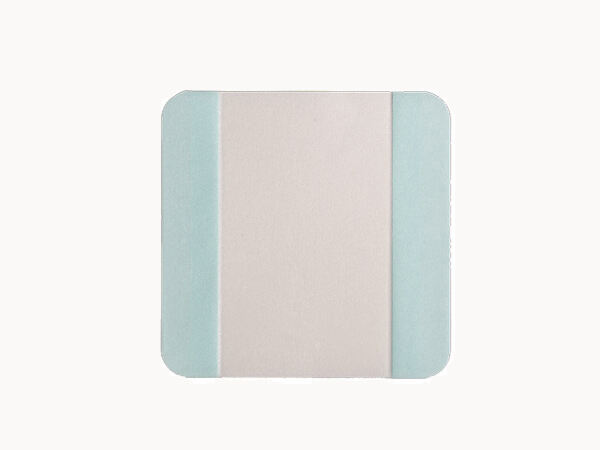
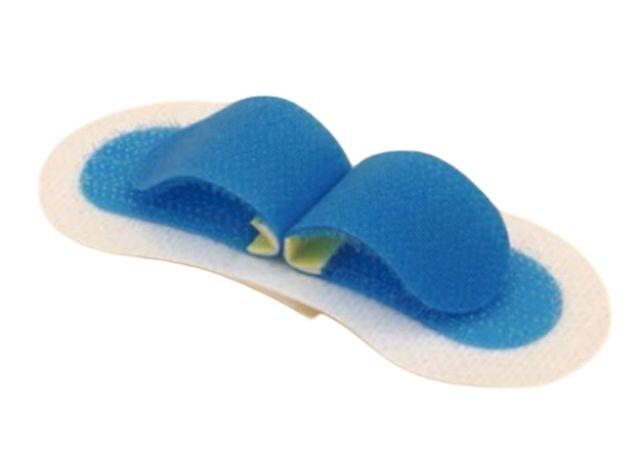
In burn departments, we often say: "Control exudate, and you control infection; manage pain, and you promote healing."
For superficial second-degree and partial deep second-degree burn wounds, massive plasma-like exudation is a core challenge in early-stage treatment. The traditional gauze-and-ointment approach often faces the drawbacks of frequent dressing changes, severe pain, and high risk of sensitization.
Based on the internationally recognized moist wound healing concept, Suzhou Kanglida Medical has launched its hydrophilic fiber dressing. In this article, we will explore, from the perspective of burn care, how to leverage advancements in materials science to win the battle of fluid management in wound repair.
I. Early-Stage Burns: Why Is a Moist Environment Better Than Dry Scabbing?
In the field of burn wound repair, moist wound healing has become a mainstream consensus.
The traditional notion held that wounds should be kept dry to facilitate scabbing. However, modern medical research has confirmed that a moderately moist, slightly acidic, and hypoxic environment is more conducive to the release of cytokines and the migration of epithelial cells.
Characteristics of Superficial Second-Degree Burn Wounds
-
Prolonged exudation period: The peak exudation occurs within 24-48 hours after injury, with large amounts of protein-rich fluid leaking out.
-
Pain hypersensitivity: Exposed nerve endings are extremely sensitive to dryness and friction.
-
High infection risk: Exudate serves as a culture medium for bacteria; improper management can easily lead to wound infection.
II. Core Solution: Three Burn-Specific Advantages of Hydrophilic Fiber Dressing
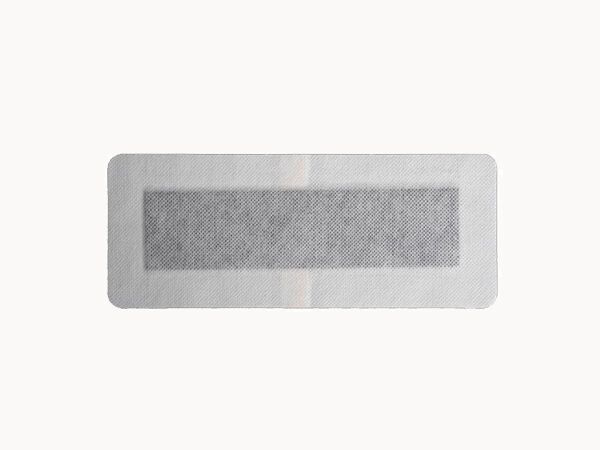
The core component of Kanglida Medical's hydrophilic fiber dressing is sodium carboxymethylcellulose (CMC). Its unique reticular fiber structure makes it an ideal choice for burn wound care.
1. "Fluid Transporter": Vertical Absorption, No Lateral Leakage
Burn wound exudate is abundant and viscous.
-
High absorbency: It can absorb exudate several times its own weight.
-
Vertical fluid locking: Fluid is quickly drawn into the deep layer of the dressing without lateral diffusion. This effectively avoids the phenomenon of traditional gauze where the center is soaked while the edges remain dry, prevents exudate from macerating surrounding healthy skin, and reduces the risk of maceration dermatitis.
2. "Pain Terminator": Gel Wound Protection for Painless Dressing Changes
This represents the most noticeable improvement in patient experience.
-
Gel layer formation: Upon contact with exudate, the dressing transforms into a soft gel that fills the space between the wound and the dressing, isolating the wound from mechanical friction.
-
Painless removal: During dressing changes, the dressing can be easily peeled off in one piece without adhering to newly formed granulation tissue. This significantly reduces patient pain and avoids secondary injury caused by dressing changes.
3. "Autolytic Debrider": Softens Eschar to Accelerate Sloughing
For deep second-degree burn wounds with necrotic tissue, the hydrophilic fiber dressing creates a moist, occlusive environment.
-
Promotes autolytic debridement: It utilizes the body's own enzymatic substances to facilitate the dissolution and separation of necrotic tissue.
-
Gentler and safer than mechanical debridement: Compared with mechanical debridement methods (such as cutting with scissors or scraping with a curette), this gentle approach is safer, causes less bleeding, and lays a solid foundation for subsequent skin grafting or natural wound healing.
III. Scenario-Based Applications: Precision Care Protocols in Burn Departments
1. Superficial Second-Degree Burns (Blister Roof Removed)
-
Pain points: Red wound bed, profuse exudation, severe pain.
-
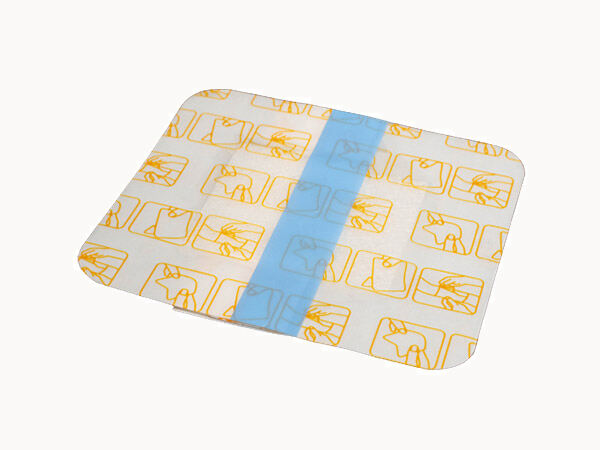
Protocol: Directly cover the wound with hydrophilic fiber dressing, and secure the outer layer with gauze or bandages.
-
Benefits: The gel layer provides physical cooling to quickly relieve burning pain; high-efficiency fluid locking reduces the frequency of dressing changes.
2. Deep Second-Degree Burns (Mixed Eschar and Granulation Tissue)
-
Pain points: Difficult sloughing of necrotic tissue, uneven wound bed.
-
Protocol: Cut the dressing to size and fill the concave areas of the wound or cover the granulation tissue.
-
Benefits: Accelerates the softening and sloughing of eschar, protects newly formed tissue, and reduces bleeding during dressing changes.
3. Donor Site Wounds
-
Pain points: Fresh wound bed with abundant exudate; aesthetic appearance is required after healing.
-
Protocol: Apply the dressing immediately after surgery.
-
Benefits: Reduces scar hyperplasia, accelerates epithelialization, and promotes faster recovery of the donor site.
IV. Clinical Tips: Indications and Contraindications
Kanglida Medical always adheres to a scientific and rigorous medical attitude. When using hydrophilic fiber dressing, please observe the following principles:
-
✅ Recommended for: Superficial second-degree burns, granulation wounds of deep second-degree burns, donor sites, post-surgical incisions.
-
❌ Contraindicated/Use with caution:
-
Full-thickness burn eschar stage: Completely dry, leathery eschar cannot be dissolved by the dressing, and the dressing may mask underlying infections; surgical escharotomy is required.
-
Severely infected wounds: If the wound is suppurating or covered with pus, debridement and drainage must be performed first to control the infection before application.
-
Patients allergic to sodium carboxymethylcellulose: Although rare, allergic reactions should be vigilantly monitored.
V. About Kanglida Medical: Dedicated to Better Wound Healing
In the medical field, we fully understand that "a tiny error can lead to a huge mistake". Since its establishment, Suzhou Kanglida Medical has been committed to the R&D and production of wound care products and medical dressings. We are not only manufacturing products but also extending a treatment philosophy for clinicians.
We adhere to the following principles:
-
Clinical demand-oriented: We go deep into frontline departments, listen to the voices of medical staff, and solve practical clinical pain points.
-
Quality and safety as the bottom line: We strictly implement the Quality Management Standards for Medical Device Production to ensure that every piece of dressing is safe, sterile, and effective.
We are willing to work hand in hand with medical colleagues in burn and wound repair departments to guard the rebirth of every inch of skin with more professional products.


 Hot News
 EN
EN
 AR
AR
 HR
HR
 DA
DA
 NL
NL
 FI
FI
 FR
FR
 DE
DE
 EL
EL
 HI
HI
 IT
IT
 JA
JA
 KO
KO
 NO
NO
 PL
PL
 PT
PT
 RO
RO
 RU
RU
 ES
ES
 SV
SV
 TL
TL
 IW
IW
 ID
ID
 SR
SR
 UK
UK
 VI
VI
 HU
HU
 TH
TH
 TR
TR
 FA
FA
 AF
AF
 MS
MS
 GA
GA
 UR
UR
 BN
BN
 LO
LO
 LA
LA
 NE
NE
 TA
TA
 MY
MY